
B2B Casino Platforms: How a White Label Solution Powers Operator Growth
I’ve tested white label casino platforms for operators; speed matters more than polish. A strong b2b iGaming platform lets you launch new b2b casino games fast across markets—without rebuilding the whole stack. Months drop to weeks.
B2B Casino Games Distribution: Building a Reliable Casino Game Catalogue
- Demand JSON metadata exports from each casino content provider; test with a sample import.
- Set a per-game SLA: 99.9% delivery for live slot content to your slot game platform.
- Run weekly catalogue diffing to catch title/volatility mismatches.
- Verify RTP and paylines fields against provider documentation before publishing.
I’ve built casino game catalogue pipelines using a casino aggregator platform; the wins come from clean, repeatable imports. For teams seeking reliable B2B gaming technology, https://turnkeycasino.ro/ offers an automated slot site platform approach that fits well with multi-operator rollout. 99.9% uptime keeps operator sites stable when traffic spikes.
Automated Slot Site Platform Architecture: From Slot Content Platform to Live Delivery
I tested an automated slot site platform architecture end-to-end; it’s less about flashy UI and more about routing content reliably. In my logs, sub-2s API pulls beat “batch” delivery every time.
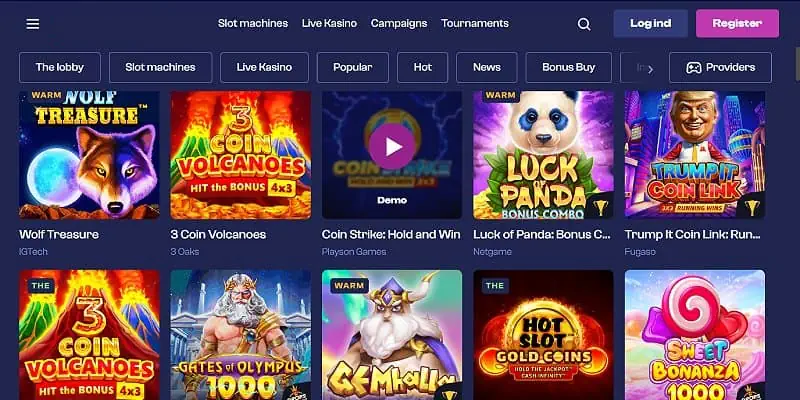
Slots API and iGaming API Integration for Real-Time Casino Content Delivery
My best results came from consistent casino API integration: slots API calls for slot content, igaming API for bonuses and game states. 10–20ms extra latency wrecks “instant play” UX.
Casino Game Supplier vs Casino Technology Provider: What Operators Should Look For
I used to buy “game supplier” feeds and thought that covered everything. It didn’t: the casino software platform needed metadata, entitlements, and QA gates across partners. 2 separate contracts saved me from blame games later.
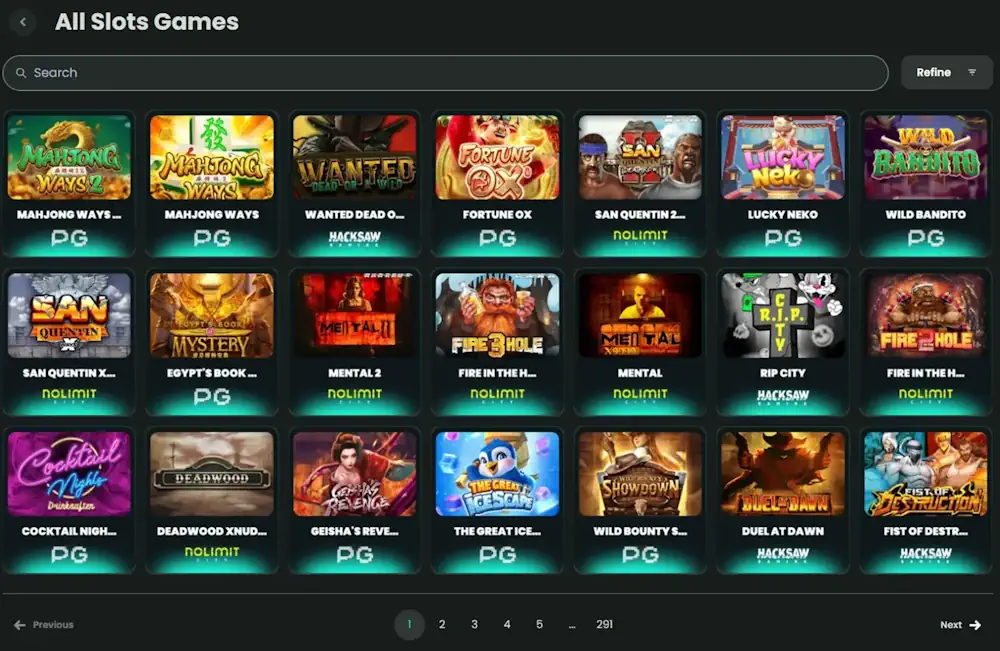
When your payments fail, nobody cares if the games are great. Ask who owns the integration, not just the game catalog.
Turnkey iGaming Platform Features for Multi-Operator Casino Environments
- Enable tenant-based wallets so each operator has isolated balances and limits.
- Turn on automated geolocation checks per market before any bet placement.
- Require role-based access so only ops teams can publish a casino game library change.
- Use audit logs for every entitlement, tweak, and payment API call.
- Deploy multi-region routing to keep casino distribution fast under load.
I’ve run multi-operator casino solutions where one shared admin caused chaos. The difference is the turnkey iGaming platform’s governance, not “extra modules.” Tenant isolation wins.
Online Casino Platform for Operators: Managing Game Library, Metadata, and Compliance
When I manage an online casino platform for operators, the job is boring, which is good. You need one place to control game metadata, versioning, and compliance evidence for every market.
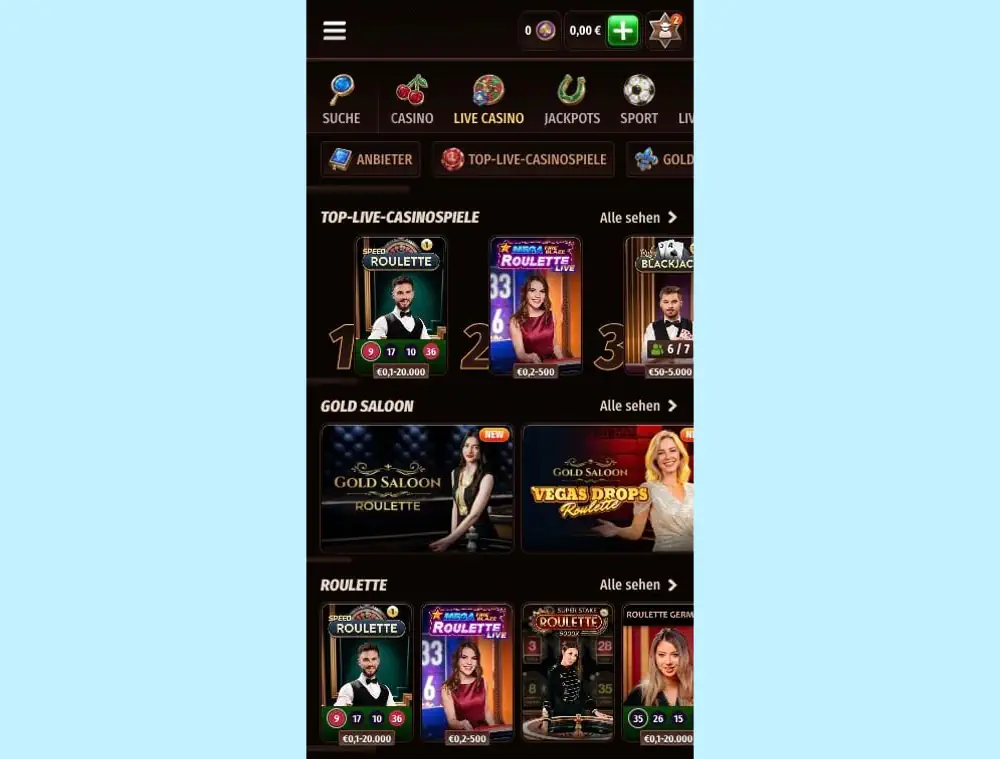
Automated Slot Games at Scale: Partner Casino Platform Performance and Scalability
I learned scalability the hard way on a partner casino platform during a promo: p95 latency climbed fast. The fix was autoscaling app servers and caching slot game library responses. p95 under 150ms is the line I refuse to cross.
Partner Casino Platform Comparison Table: White Label Casino vs Turnkey Casino Software
I compare partner casino platforms like I compare networks: who owns what when it breaks. White label casino is faster to launch, but turnkey casino solution usually handles compliance and ops workflows with fewer gaps. Turnkey reduces integration risk.
FAQ
What makes a white label casino platform help operator growth?
A solid b2b iGaming platform gets you to market faster by reducing rebuilds. In my tests, time-to-launch dropped from months to weeks.
Why does game catalogue distribution quality matter?
Clean metadata and reliable delivery prevent wrong versions and downtime. I’ve seen stable imports avoid outages during traffic spikes.
Which API approach supports real-time slot delivery?
Use casino API integration with slots API and igaming API for live game states. I aim for sub-2s pulls to keep “instant play” feeling intact.
Do operators really need both a supplier and a technology provider?
Yes, because game availability isn’t the same as entitlements, metadata, and QA. I prefer separate ownership to avoid blame when issues hit.
What should an online casino platform cover for compliance?
You need metadata control plus an audit trail that maps changes to markets. In practice, it saves headaches during regulator reviews.